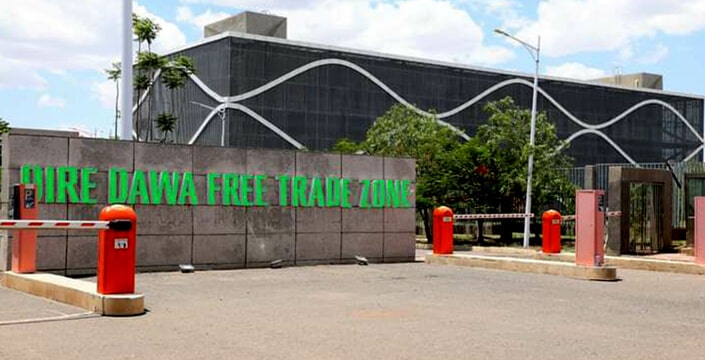
In a landmark policy shift aimed at revitalizing the industrial sector, the Ethiopia Ministry of Finance has officially authorized a comprehensive tax relief package for investors operating within the country’s Free Trade Zones (FTZs). Announced on April 13, 2026, the new directive is designed to eliminate financial bottlenecks that have long hindered large-scale commercial growth.
By offering significant income tax exemptions and duty waivers, the government seeks to position these zones as the primary engines for Ethiopia’s transition to an export-led economy.
The primary objective of this decision is to address chronic capital shortages and supply chain inefficiencies that have plagued local industries. Previously, importers were required to pay heavy customs duties and taxes upfront—long before their goods reached the market—which severely drained liquid capital. Under the new framework, the Ministry is pivoting toward a flexible fiscal model that prioritizes business cash flow, ensuring that investors can maintain high productivity without the burden of immediate revenue collection.

Key Policy Enhancements
The new directive introduces several critical changes to the operational environment within Ethiopian FTZs:
Duty-Free Entry: Investors can now import raw materials, inputs, and machinery without advance duty or tax payments.
Deferred Obligations: Tax liabilities are only triggered once a confirmed market is secured and products are released for sale.
Income Tax Exemptions: Direct income tax on commercial activities conducted by investors supplying products from within designated zones has been officially lifted.
This strategic move comes as Ethiopia targets a trade volume of $4 billion through the Dire Dawa Free Trade Zone alone over the next five years. By reducing the initial cost of entry and operational overhead, the government anticipates a surge in Foreign Direct Investment (FDI). Recent data indicates that these incentives could improve investor liquidity by approximately 20% to 30%, allowing firms to scale up operations and utilize their full production capacity more effectively.
Beyond mere fiscal relief, the Ministry emphasized that these incentives are part of the broader Homegrown Economic Reform Agenda 2.0. By integrating logistics hubs with industrial corridors, the government aims to create a “one-stop-shop” environment. This approach is intended to slash transport times and eliminate the bureaucratic red tape that often complicates cross-border trade, making Ethiopia more competitive within the African Continental Free Trade Area (AfCFTA).
In its concluding statement, the Ministry of Finance called upon domestic and international stakeholders to capitalize on these “unprecedented” investment opportunities. Officials expressed confidence that the combination of tax exemptions and improved logistical support will stabilize the domestic market and drive sustainable industrialization. As the implementation phase begins, the government will closely monitor the impact on job creation and the overall growth of the manufacturing sector.