The Ethiopian government has announced a major technological offensive against a deeply entrenched network of fuel theft that has been draining the national economy of billions of birr. In a move to safeguard the country’s energy security, the Petroleum and Energy Authority is set to mandate the installation of sophisticated tracking devices and fuel sensors on all petroleum delivery trucks (tankers) operating across the nation.
For years, the fuel distribution chain in Ethiopia has been plagued by “fuel skimming”—the illegal siphoning of petroleum during transit. A recent comprehensive study conducted by the Authority revealed that an average of 500 liters of fuel is stolen from a single tanker during a one-way trip from depots to gas stations. When scaled nationally, this illicit activity results in an annual loss of over 5.5 billion birr, a staggering figure that undermines the government’s efforts to manage high foreign exchange costs associated with fuel imports.
Destawe Mekwanant, Director General of the Petroleum and Energy Authority, highlighted the gravity of the situation in a recent briefing. He noted that the stolen fuel often ends up on the black market, creating artificial shortages and driving up costs for ordinary citizens. “The hard-earned foreign currency the government spends on fuel subsidies and imports is effectively being diverted into the pockets of a few criminals,” Dr. Destawe stated, emphasizing that the current manual oversight systems are no longer sufficient to stop the rot.
To combat this, the new digital system will utilize GPS-integrated fuel level sensors that provide real-time data to a centralized monitoring hub. These sensors are designed to detect even the slightest drop in fuel levels during transit. If a tanker’s hatch is opened at an unauthorized location or if the volume of fuel fluctuates unexpectedly between the depot and its destination, the system will trigger an immediate alert, allowing law enforcement and regulators to intercept the vehicle.
This technological shift aims to eliminate the “human touch” that has historically facilitated corruption. By creating a digital “geofence” around approved routes, the Authority can monitor whether drivers are making unscheduled stops in areas known for illegal siphoning. The system will also provide a digital map tracking the entire journey, ensuring that the exact amount of fuel loaded at the port or depot matches the amount discharged at the retail station.
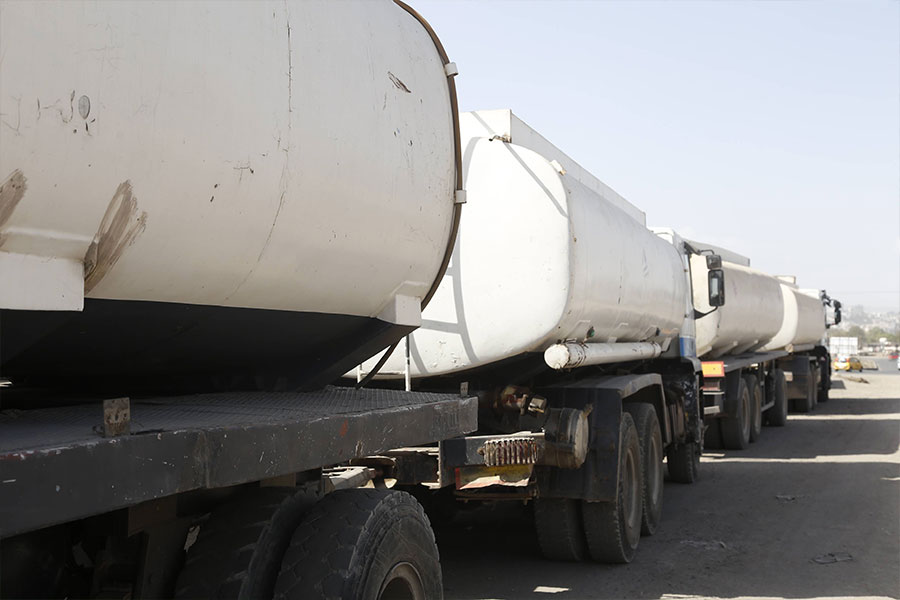
The rollout of these sensors is the second pillar of Ethiopia’s broader fuel sector reform. It complements the already implemented Telebirr-based digital payment system, which was designed to track transactions at the pump. While digital payments addressed “front-end” retail fraud, the new sensor technology is aimed at “back-end” logistics theft. Together, these systems are expected to create a transparent, end-to-end digital trail that makes it nearly impossible to divert fuel without detection.
Industry experts believe this move is timely, especially as Ethiopia faces a significant foreign exchange crunch. According to recent reports, the state fuel importer, Ethiopian Petroleum Supply Enterprise (EPSE), has faced immense financial pressure due to currency fluctuations. By plugging the 5.5 billion birr leak caused by theft, the government can better stabilize the market and ensure that subsidized fuel actually reaches the productive sectors of the economy, such as transport and manufacturing.
As the implementation phase begins, the Authority has warned fuel distribution companies and truck owners that compliance is mandatory. This crackdown follows recent disciplinary actions where several fuel companies were banned or warned for trading outside of the digital system. With the integration of real-time sensor data, the government hopes to finally dismantle the black market for petroleum and usher in an era of accountability in Ethiopia’s energy sector.