The Ethiopian Ministry of Labor and Skills (MoLS) has officially signed a Memorandum of Understanding (MoU) with Future Fill International to facilitate the legal migration of trained Ethiopian professionals to Canada. Announced by Labor and Skills Minister Muferiyat Kamil, the agreement establishes a structured framework to equip citizens with the specific vocational and linguistic skills required by the Canadian labor market. This strategic partnership aims to bridge the gap between Ethiopia’s growing surplus of skilled labor and Canada’s persistent workforce shortages in key technical sectors.
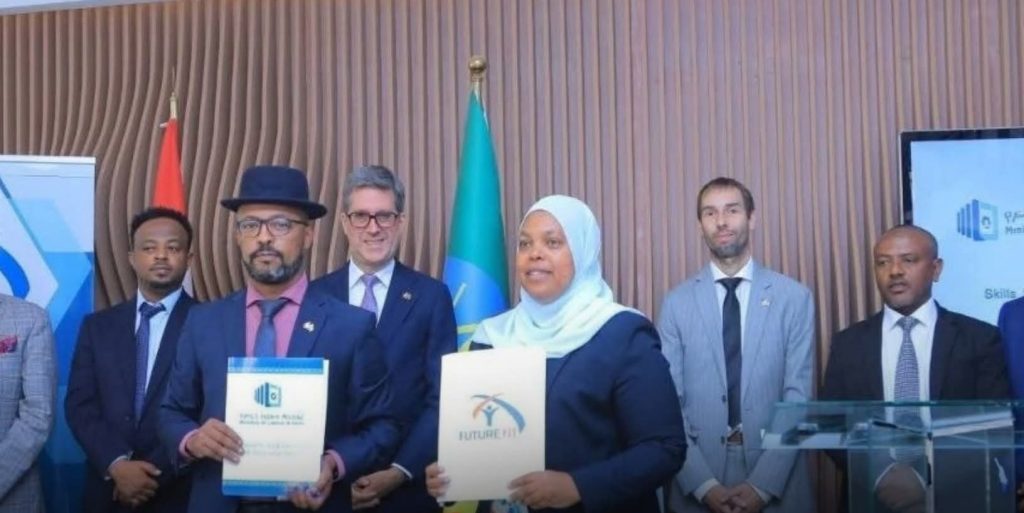
According to Minister Muferiyat, the primary objective is to ensure that Ethiopian citizens transition into the Canada-bound workforce through recognized, legal channels. This “triple-win” model is designed to benefit the migrants through higher wages, Ethiopia through increased remittance flows, and Canada by filling essential roles. The Ministry emphasized that this formal route serves as a critical safeguard against the rising tide of human trafficking and the exploitation of job seekers by unlicensed intermediaries promising Canadian visas.
While the specific number of recruits has not been finalized, the program is expected to target thousands of qualified individuals across various industries. Mr. Abiy Raymond, Managing Director of Future Fill International, confirmed that the training modules will be tailored to meet Canada’s accreditation standards, ensuring that certifications are honored upon arrival. Data suggests that structured labor migration programs can increase a migrant’s income significantly; however, the cost of specialized training remains a major barrier for many hopeful applicants.
However, the agreement has drawn scrutiny from labor economists who warn of a potential “brain drain.” Critics argue that by exporting its most capable and trained citizens to nations like Canada, Ethiopia may inadvertently hollow out its own domestic industries, particularly in healthcare and technology. There are also concerns regarding whether the administrative fees will be affordable for the average citizen, or if the program will primarily benefit the urban elite. Furthermore, critics point out that the success of such deals depends heavily on the robustness of legal protections for workers once they arrive in a foreign jurisdiction.
In response to these concerns, the Ministry has urged the public to remain vigilant and rely only on official communications. Minister Muferiyat cautioned citizens not to be misled by illegal brokers, asserting that this MoU is currently the only recognized path for this specific initiative. Future Fill International is expected to announce the official registration dates and eligibility criteria for Canada through mainstream media outlets shortly, promising a transparent and merit-based selection process.