A unprecedented $20 million risk-sharing agreement between Dashen Bank and the International Finance Corporation (IFC), a member of the World Bank Group, would change the availability of loans for Ethiopia’s private sector. Closing the financial gap for MSMEs is the partnership’s specific objective, with an emphasis on women-led businesses and the agricultural sector. The agreement was formally signed by IFC Vice President for Africa Ato Ethiopis Tafara and Dashen Bank CEO Asfaw Alemu. International confidence in Ethiopia’s financial reforms and the durability of its domestic banking institutions was restored as a result of the occurrence.
The Deal’s Mechanisms: Lowering the “Risk Barrier” The IFC’s $10 million Risk Sharing Guarantee (RSG) forms the basis of this collaboration. In this arrangement, the IFC consents to assume half of the possible credit risk associated with a collection of loans that Dashen Bank issued. The strict need for tangible collateral has been the main obstacle facing Ethiopian SMEs for many years. The majority of small business owners, especially women and rural farmers, do not have the high-value assets or titled property that are often needed to obtain a bank loan. Dashen Bank is now able to modify its lending standards by sharing the risk with the IFC, enabling it to offer fresh credit of up to $20 million to companies who were previously seen to be “too risky” or “under-collateralized.”
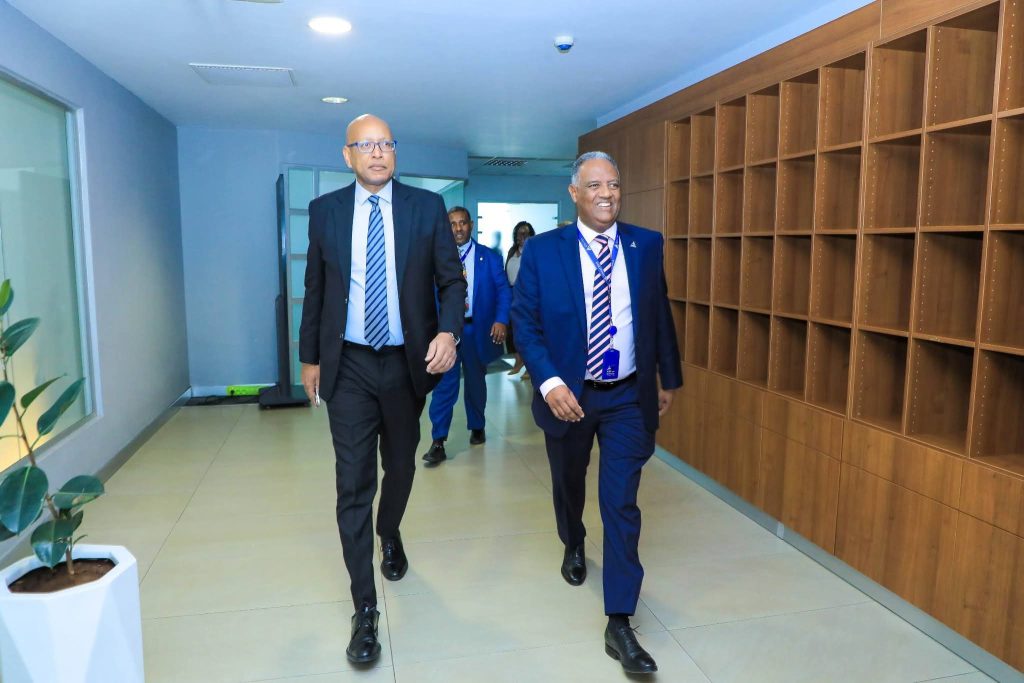
Agriculture and Gender Inclusion as Strategic Priorities The facility is more than just a general fund; it is a targeted instrument for social and economic justice. Two specific groups are in charge of this project: Despite being the foundation of Ethiopia’s economy, smallholder farmers and agribusiness only receive a disproportionately small amount of credit from commercial banks. This investment would help local producers and exporters by modernising equipment and providing access to global supply chains. Statistics show that the “finance gap” between Ethiopian women entrepreneurs and their male counterparts is significantly larger.
By requiring a targeted distribution of cash to women-owned or led firms, this agreement promotes economic independence and employment development among this crucial group. Leadership Views Asfaw Alemu stressed during the signing ceremony that the collaboration is in line with the bank’s long-term goals.
IFC Ethiopis Tafara shared these views, emphasising the wider economic ramifications. “For small firms in Ethiopia to expand and stay competitive, they require consistent access to financing. This collaboration closes a significant gap by giving Dashen Bank the liquidity and risk reduction it needs to get to the core of the nation’s entrepreneurial culture.
Background: A Watershed in Ethiopian Banking This agreement coincides with Ethiopia’s substantial economic liberalisation. Dashen Bank has been at the forefront of establishing international collaborations in response to the National Bank of Ethiopia’s (NBE) recommendations to allow foreign participation and intermediation in the financial sector. Other well-known international partnerships for Dashen include a $40 million trade finance facility with the African Development Bank (AfDB) and a $40 million commitment from British International Investment (BII) and FMO.
This IFC arrangement comes after those agreements.
Together, these partnerships position Dashen Bank as a premier gateway for international development capital entering the Ethiopian market.
Economic Impact and Job Creation
The ripple effects of this $20 million injection are expected to be felt across several sectors, including manufacturing, telecommunications, and retail. By providing working capital to SMEs, the facility will enable:
Job Creation: SMEs are the largest employers in emerging markets. This funding is projected to create thousands of direct and indirect jobs.
Export Growth: Enhanced support for agribusiness will help Ethiopia increase its foreign exchange earnings through improved crop yields and value-added processing.
Market Resilience: Strengthening the “middle” of the economy ensures that the country can better withstand global economic shocks and supply chain disruptions.
Looking Ahead
As Dashen Bank begins the rollout of these new loan products, the focus will shift to capacity building. Alongside the financial guarantee, the IFC is expected to provide advisory services to help the bank refine its MSME lending models and digital banking solutions. This ensures that the benefits of the agreement extend far beyond the initial $20 million, building a permanent infrastructure for inclusive lending in Ethiopia.
With the NBE’s recent push toward a more market-based exchange rate and liberalized financial environment, this Dashen-IFC partnership serves as a blueprint for how local banks can leverage global expertise to solve local challenges.