The Ethiopian Customs Commission (ECC) has officially released a new directive clarifying the tax obligations for sugar and fenugreek (locally known as Abish), following a period of regulatory ambiguity. Based on a detailed briefing from the Ministry of Finance, the Commission aimed to synchronize tax collection procedures across all entry points and domestic trade hubs. This latest move is part of the government’s broader effort to refine the application of the Excise Tax and Value Added Tax (VAT) proclamations, ensuring that essential commodities remain accessible while strictly categorizing specialty items for revenue purposes.
Regarding the sugar industry, the Commission confirmed that sugar will continue to be exempt from excise tax. This decision upholds the previous resolution passed on May 11, 2015 (E.C.), following the ratification of the Excise Tax Amendment Proclamation No. 1287/2015. There had been recent confusion among traders regarding a decision issued on August 28, 2017 (E.C.); however, the ECC clarified that this specific update pertained solely to customs tariff adjustments and did not introduce any new excise burdens on sugar. By maintaining this exemption, the government aims to stabilize the price of a critical household staple amidst ongoing inflationary pressures.
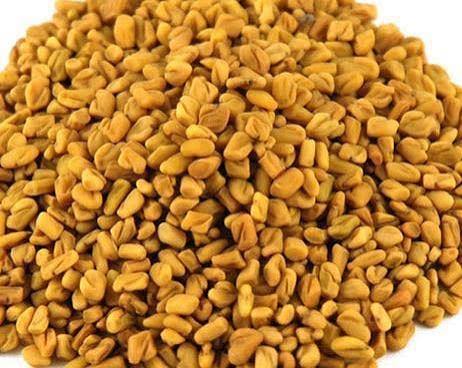
In contrast, the Commission announced that fenugreek (Abish) is now explicitly subject to Value Added Tax (VAT). Under the VAT Regulation No. 570/2017, specifically Annex Serial Number 7, the law provides exemptions for a defined list of grains, pulses, and flours. However, the Ministry of Finance’s technical review concluded that fenugreek does not fall under the category of basic grains or pulses. Instead, according to the Harmonized System (HS) of tariff classification, fenugreek is categorized as a “spice.” This classification precludes it from the tax-free status enjoyed by staple crops like teff, wheat, or maize.
Consequently, the 15% VAT will be applied to fenugreek during both the importation phase and domestic commercial transactions. This distinction is significant for the Ethiopian spice market, as fenugreek is a common ingredient in traditional cuisine and medicinal applications. The Ministry emphasized that the categorization is strictly based on international and national trade standards, which distinguish between high-calorie staples and flavoring agents. Importers and local distributors are now required to adjust their pricing and filing systems to account for this 15% levy to remain compliant with the new directive.
The Ethiopian Customs Commission has instructed all customs branches, border stations, and relevant departments to implement these directives with immediate effect and high professional discipline. To ensure transparency, the Commission noted that these measures are essential for maintaining a predictable fiscal environment and preventing tax evasion through misclassification. As the new rules take hold, the ECC will monitor compliance at all exit and entry points. This clarification provides a much-needed roadmap for the business community, distinguishing the tax-free “essential” status of sugar from the “commercial spice” status of fenugreek.