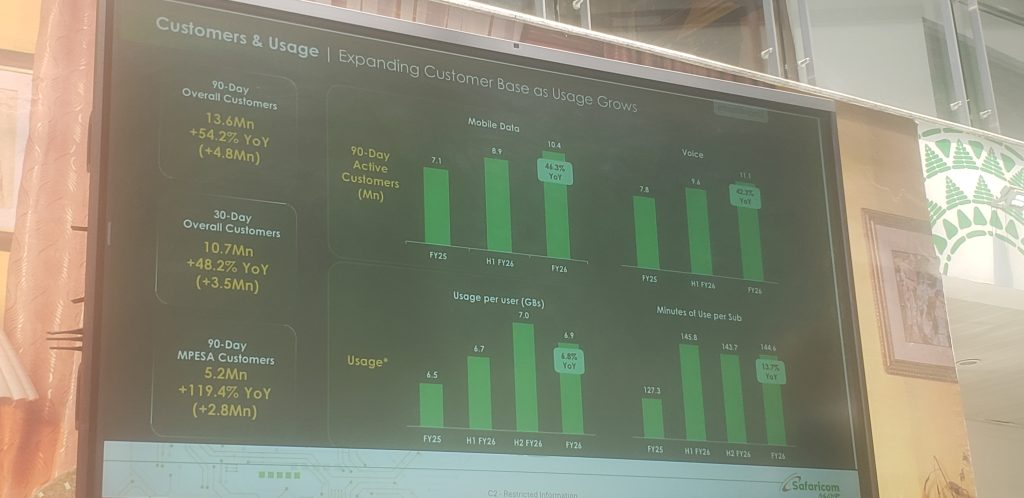
Safaricom Ethiopia has reported a significant shift toward a more equitable “playing field” in the nation’s burgeoning telecommunications sector, buoyed by a 130.9% surge in service revenue to ETB 15.9 billion for the 2026 fiscal year. Executives note that while the operating environment is maturing, particularly through improved regulatory policies and infrastructure sharing, a transition period of 6 to 12 months is still required to fully realize a balanced fintech landscape. The company’s rapid ascent—now serving 13.6 million active customers—serves as a primary indicator that Ethiopia’s digital ecosystem is becoming increasingly receptive to multi-operator competition.
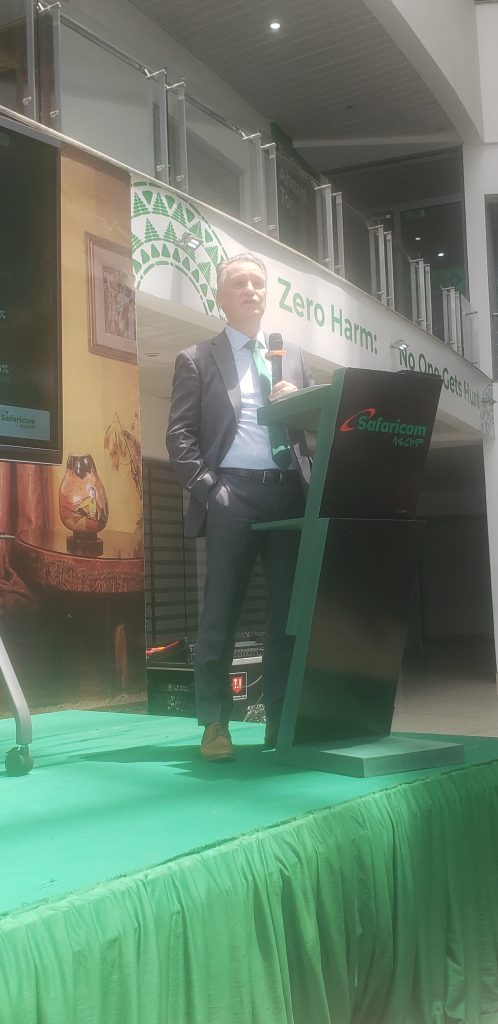
The improvement in the market’s competitive landscape is most visible in the fintech sector, where M-PESA has reached a milestone of 5.2 million users. CEO Wim Vanhelleputte emphasized that while the legal and policy frameworks for mobile money are now embedded, the practical implementation of a truly level playing field is still a “work in progress.” The company remains hopeful that upcoming regulatory refinements will allow M-PESA to compete even more effectively, mirroring the success of its data services, which generated ETB 9.6 billion this year. This progress is viewed as a vital step in transforming Ethiopia into a digitally inclusive economy where private and public entities operate under the same market rules.
However, a critical component of maintaining this improved playing ground involves addressing the sustainability of service pricing. Currently, industry data is sold at rates below cost—a practice the company describes as unsustainable for long-term health. To ensure the market remains attractive for the $5 billion in additional investment needed for nationwide towers and fiber optics, Safaricom is advocating for a gradual alignment of prices with operational costs. This move is presented as a prerequisite for expanding the 4G network beyond its current 59% population coverage, ensuring that rural regions eventually enjoy the same infrastructure privileges as major urban centers.
The logistical “playing ground” has also been steadied through a robust infrastructure-sharing model and localized operations. Safaricom currently balances the use of its 3,504 owned towers with 1,400 sites leased from the state-owned Ethio Telecom, at an annual cost of ETB 5 to 6 billion. This collaborative approach has mitigated the risks of market entry and accelerated service delivery. Furthermore, by utilizing a decentralized distribution model that relies on local partners in diverse regions, Safaricom has managed to maintain operational continuity and a Net Promoter Score (NPS) of over 70%, even amidst regional security challenges that the company monitors closely.
As Safaricom Ethiopia moves toward its goal of EBITDA breakeven by 2027, the focus remains on cementing these improvements in the business climate. Total investment has already reached $2.6 billion, and the Ethiopian operation now accounts for 15% of the Safaricom Group’s total service revenue growth. By fostering a “level playing field” that encourages sustainable pricing and further capital injection, Safaricom aims to transition from an emerging challenger to a cornerstone of Ethiopia’s digital infrastructure, proving that the market is finally ready for high-fidelity, competitive telecommunications.