In a landmark move toward fostering a more equitable digital landscape, Safaricom Ethiopia and Vodacom Group hosted a high-level conference in Addis Ababa on April 16, 2026. Themed “Strengthening Disability Inclusion in Ethiopia: Bridging Gaps, Building Opportunities,” the event convened government officials, civil society leaders, and private sector representatives.
The summit aimed to address the persistent socio-economic barriers facing the millions of persons with disabilities (PWDs) in Ethiopia and to establish a roadmap for systemic inclusion.
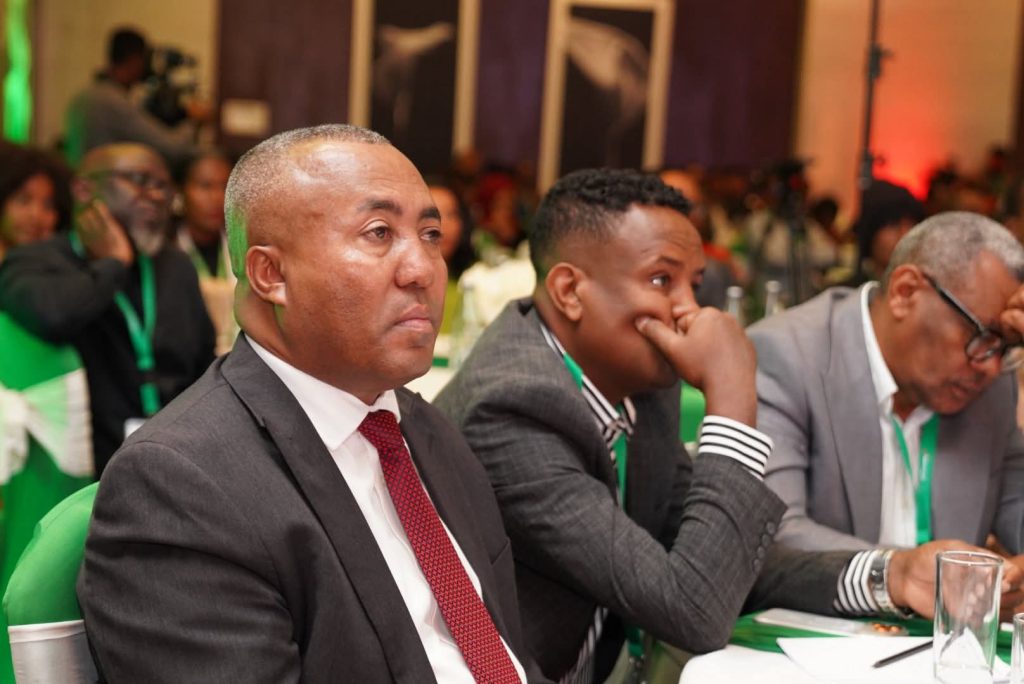
The conference highlighted a critical disconnect between national policy and reality. While Ethiopia has ratified the UN Convention on the Rights of Persons with Disabilities and integrated equal rights into its legal framework, PWDs still encounter massive hurdles in education, healthcare, and employment. Current estimates suggest that a significant portion of Ethiopia’s population lives with some form of disability, yet their participation in the formal economy remains disproportionately low. Stakeholders emphasized that policy alone is insufficient without dedicated implementation and infrastructure.
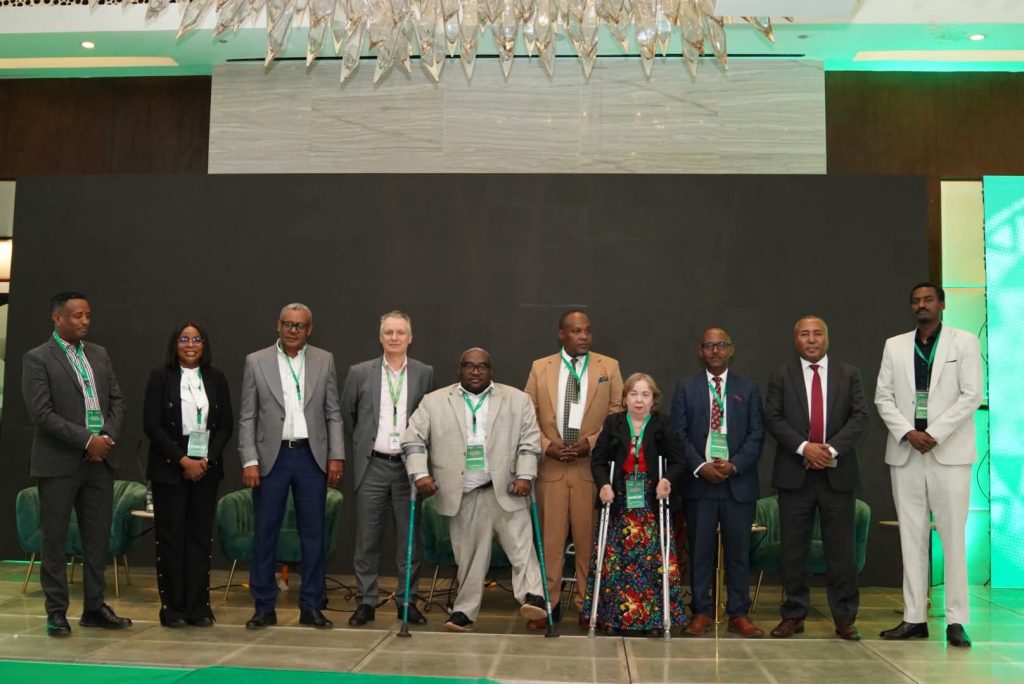
Safaricom Ethiopia CEO Wim Vanhelleputte underscored the transformative power of “inclusive digitization” during his opening remarks. He argued that technology is not just about connectivity but is a vital tool for empowerment. Vanhelleputte noted that digital solutions—such as accessible e-learning platforms, telemedicine, and mobile financial services like M-PESA—can bypass physical barriers that have traditionally excluded PWDs. He famously adopted the mantra “Nothing About Us Without Us,” asserting that accessibility must be a foundational design requirement rather than an afterthought in Ethiopia’s digital evolution.
Adding global weight to the discussions, Dr. Karen S. Smit, Accessibility Lead at Vodacom Group and Chairperson of the African Accessibility Forum, shared her expertise in implementing inclusive business models across the continent. Dr. Smit, who draws from her own lived experience, pointed out that societal barriers are often the result of poor design rather than the disabilities themselves. She cited the evolution of audiobooks—originally designed for the visually impaired but now a global mainstream success—as proof that “universal design” benefits the entire population, not just a specific subset.
The conference also featured strong advocacy from local leadership. Abayneh Gujo, Director General of the Federation of Ethiopian Associations of Persons with Disabilities (FEAPD), praised the private sector’s initiative but called for sustained action. Gujo highlighted that PWDs in Ethiopia continue to face restricted access to basic services and urged that the momentum from this summit translate into tangible employment quotas and accessible public infrastructure. He stressed that technology acts as a “great equalizer,” but only if the hardware and software are intentionally designed to be inclusive from the onset.
The event concluded with a formal commitment from attendees to move beyond dialogue toward collaborative action. Safaricom Ethiopia announced intentions to scale Vodacom’s proven models, such as disability-friendly retail environments and inclusive customer service channels, within the Ethiopian market. By aligning private sector innovation with government policy and NGO advocacy, the coalition aims to build an environment where all citizens, regardless of physical or cognitive ability, have the opportunity to thrive in Ethiopia’s rapidly growing digital economy.