A new national campaign has been launched in Ethiopia to combat the rising rates of suicide and substance addiction, particularly among the country’s youth population. Operating under the motto “Bemote – Kemot Mesenbet,” the initiative marks a significant step forward in addressing the nation’s growing mental health challenges.
The newly introduced movement will work in close coordination with relevant government ministries over the next three months. The primary focus of this initial phase will be to conduct extensive community mobilization and awareness-raising activities across various segments of society.
Speaking at the launch, Mr. Asalif, Chief of Staff at the Ministry of Women and Social Affairs, highlighted a severe shortage of mental health professionals in the country. He revealed that there are currently fewer than 120 mental health specialists striving to serve Ethiopia’s population of approximately 120 million people.
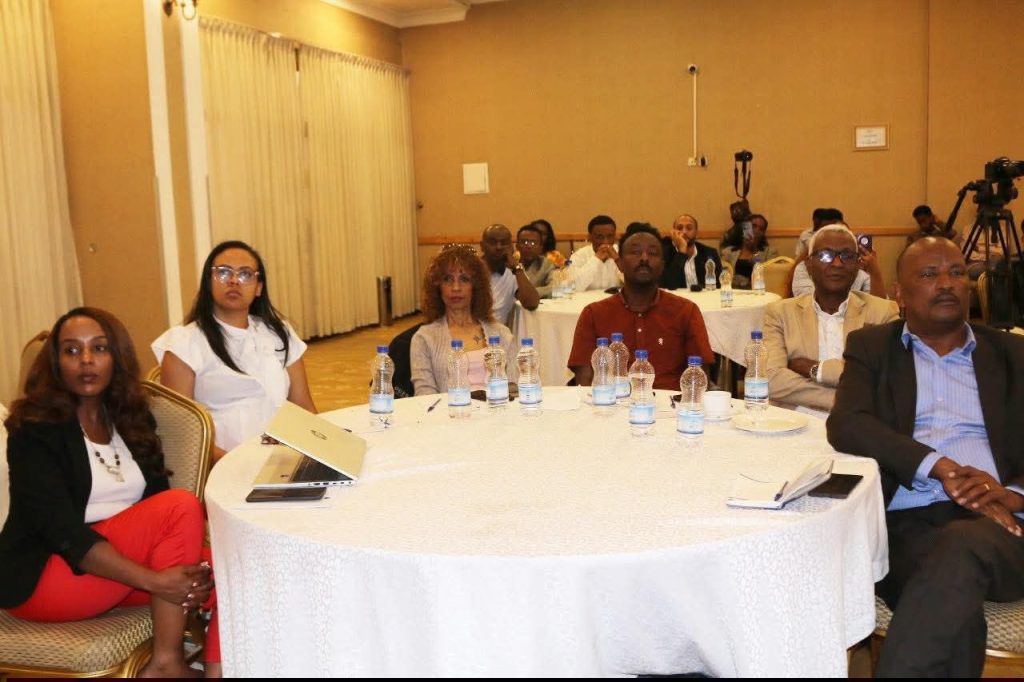
To bridge this critical gap, officials announced that a dedicated helpline and a comprehensive database are currently being finalized. These tools are designed to easily connect individuals seeking immediate psychological support with available mental health professionals and counseling services.
During the forum, experts explained that cyberbullying, particularly within Telegram groups, and peer pressure are major drivers of the crisis. These factors have been identified as primary reasons for worsening mental distress and tragic fatalities among students.
To counter these digital and social pressures, nearly 300 student ambassadors have already been deployed to provide mental health support within schools and universities. Moving forward, the campaign plans to collaborate with popular social media influencers to launch a massive public media campaign.
Additionally, the campaign will introduce the internationally recognized “QPR” (Question, Persuade, and Refer) suicide prevention training program. This specialized educational training will be distributed widely to both academic environments and local religious institutions.
Regarding medicine and substance control, stakeholders are targeting the unauthorized sale of anti-depressants and painkillers like Tramadol to minors. Pharmacists will be required to sign commitment forms, and coordinated efforts will be made to dismantle contraband supply chains.
To ensure an organized approach to tackling these issues, a pilot intervention project is set to begin soon in the Lideta sub-city of Addis Ababa. This localized trial will help refine strategies before the campaign expands further.
Currently, over 40 percent of the community is estimated to be vulnerable to various addictions. In response, the “Ayseletenbyem!” movement, which encompasses 42 associations and has aided over 21,000 citizens, will strengthen its community awakening and social media strategies.