Industry leaders, policymakers, and education experts gathered at the Sheraton Hotel on Wednesday for the Huawei Ethiopia Education Summit 2026. The event centered on the transformative role of Artificial Intelligence (AI) and Information and Communication Technology (ICT) in reshaping Ethiopia’s academic landscape. A primary focus of the summit was the necessity of building future-ready, inclusive education systems as the nation accelerates its digital transformation journey to meet the demands of a burgeoning digital economy.
During the summit, the Ministry of Education announced a significant milestone: the pilot rollout of an AI-powered teacher assistant designed for secondary schools. Zelalem Assefa, CEO for ICT and Digital Education at the Ministry, explained that the first phase targets Grades 9 through 12. Developed as an offline platform, the system contains curriculum-based content specifically aligned with Ethiopia’s national standards. This initiative aims to provide instructional support in regions with limited internet connectivity, ensuring that technological advancement remains inclusive of rural educational hubs.
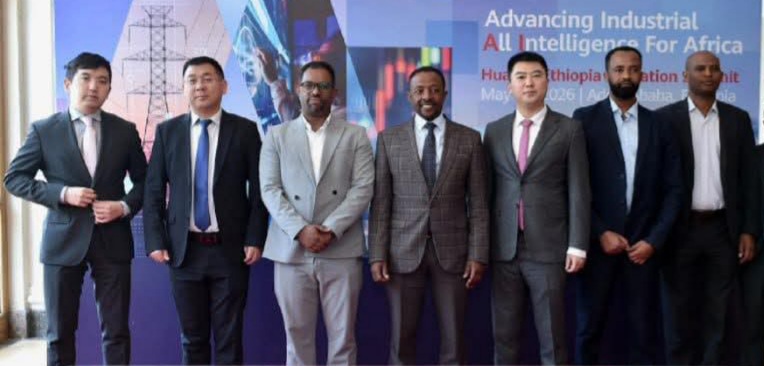
Jason Ye – Chief Digital Officer Northern African Region, Huawei, emphasized that the rapid growth of AI and hybrid education is driving an urgent demand for faster, more secure data storage systems across Africa. Chen noted that Huawei is transitioning from traditional storage to AI-compatible, cloud-based systems to support data-heavy sectors like banking, healthcare, and research. “AI is not the future; it is already here with us,” he stated, reaffirming Huawei’s commitment to providing the infrastructure necessary to manage massive datasets while defending against rising global threats like ransomware.
The summit featured deep-dive discussions on four critical pillars: AI-powered learning, digital infrastructure, talent cultivation, and industry-academia collaboration. Muluneh Atinafu, coordinator of the Ministry’s e-SHE program, highlighted that while the AI assistant currently operates offline to assist with classroom delivery and teacher workloads, future iterations will include online functionality. These efforts are part of a broader strategy to bridge the gap between academic theory and industrial needs, fostering a sustainable talent pipeline for the country.
As Ethiopia pushes toward its digital goals, the collaboration between global technology providers like Huawei and the public sector remains pivotal. The summit concluded with a consensus that modernizing the education sector is not merely about adopting new gadgets, but about creating an open, collaborative ecosystem.
By integrating AI into the national curriculum and strengthening digital frameworks, stakeholders aim to equip the next generation of Ethiopians with the skills required to compete in a globalized, tech-driven market.