The Addis Ababa Light Rail Transit (AALRT) Service has reported a significant spike in daily commuters following a persistent fuel shortage that has disrupted vehicular transport across the capital. According to the organization, the number of daily passengers has surged to 75,000, marking a dramatic increase from the previous average of 45,000. This sudden influx of 30,000 additional commuters has placed immense pressure on the city’s electric rail infrastructure as residents pivot away from fuel-dependent taxis and buses.
In response to the growing demand, AALRT Chief Executive Officer Dr. Berhan Abebe stated that the organization has implemented emergency operational adjustments. To manage the congestion during peak morning and evening hours, the service is currently coupling two trains together to double carrying capacity per trip. This measure aims to alleviate the long queues and heavy crowding observed at various stations across the East-West and North-South corridors of the rail network.
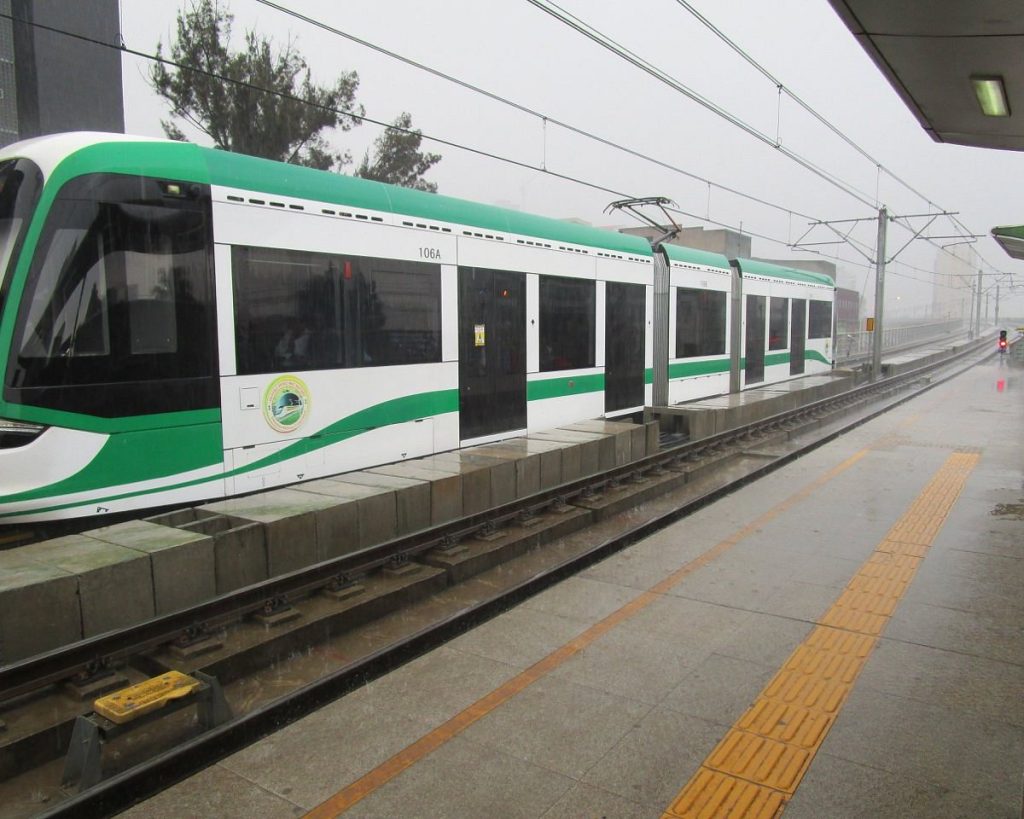
Despite the rising demand, the service is operating at less than half of its total capacity. Currently, only 17 trains are operational, while approximately 20 others remain grounded. Dr. Berhan attributed the reduced fleet size to a critical shortage of spare parts and budgetary constraints required for essential maintenance. The disparity between the limited number of active trains and the surging passenger volume remains the primary cause of the current transport strain within the city.
Looking ahead, the CEO noted that there are active plans to rehabilitate and deploy two additional trains within the coming month. Furthermore, the organization is working closely with the Ethiopian Electric Utility to address frequent power interruptions that often stall rail operations. These collaborative efforts are focused on ensuring a more stable and reliable power supply to minimize travel delays for the tens of thousands of residents now relying on the system.
Experts and officials suggest that if the organization could secure the necessary resources to repair and deploy its entire fleet of 41 trains, the city’s transport crisis would be significantly mitigated. However, for the time being, the service continues to operate under strain, prioritizing peak-hour efficiency. The AALRT remains a vital lifeline for the capital’s commuters as the broader transport sector grapples with the ongoing impact of fuel supply instability.