The Ethiopia Commodity Exchange (ECX) and the Nigerian Incentive-Based Risk Sharing System for Agricultural Lending (NIRSAL) signed a landmark Memorandum of Understanding (MoU) on May 7, 2026. This strategic agreement establishes a formal framework for bilateral cooperation aimed at revolutionizing agricultural financing and commodity trading between two of Africa’s largest economies.
The partnership focuses on integrating warehouse receipt financing, modernizing quality assurance systems, and developing robust digital market infrastructures to enhance liquidity and transparency in their respective agricultural sectors.
The signing followed an intensive four-day technical and strategic study program hosted by the ECX Academy for NIRSAL’s top management. This exchange, conducted from May 4–7, provided Nigerian officials with deep dives into the ECX’s operational efficiencies and market-driven systems. By sharing specialized expertise, both institutions aim to de-risk the agricultural value chain—a critical move considering that agriculture accounts for significant portions of GDP in both nations.
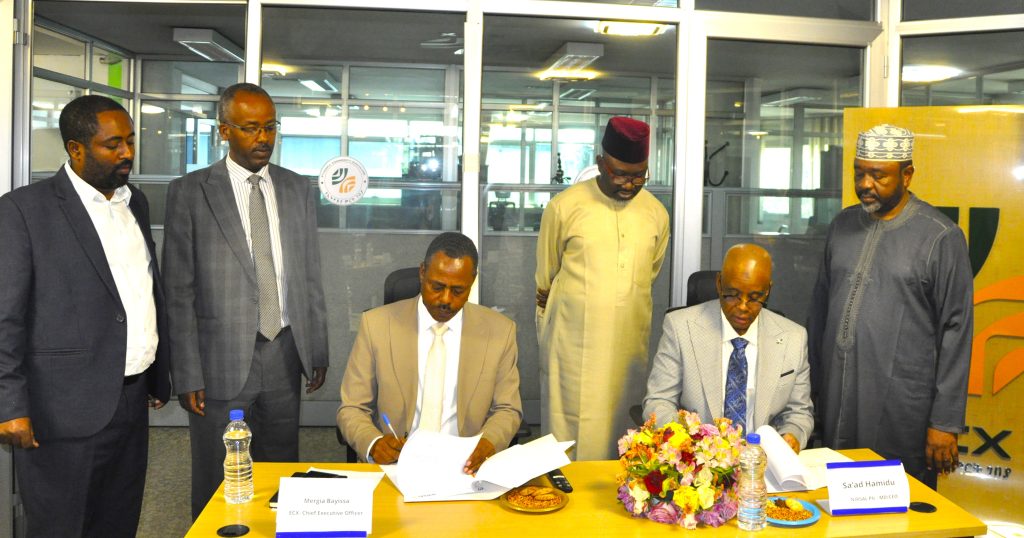
For instance, NIRSAL’s core mandate involves stimulating low-interest lending, a model that could be significantly bolstered by the ECX’s proven warehouse receipt mechanisms.
ECX CEO Mr. Mergia Bayissa emphasized that the MoU paves the way for a more sophisticated market size, stating that the collaboration will upgrade commodity exchange systems and provide better financial security for farmers. Representing the Nigerian delegation, Mr. Sa’ad Hamidu noted that the framework opens “significant new opportunities for bilateral trade.” This cooperation mirrors successful cross-border models seen in the East African Community (EAC), where the integration of commodity standards has historically reduced post-harvest losses by up to 20% and stabilized regional food prices through synchronized trading platforms.
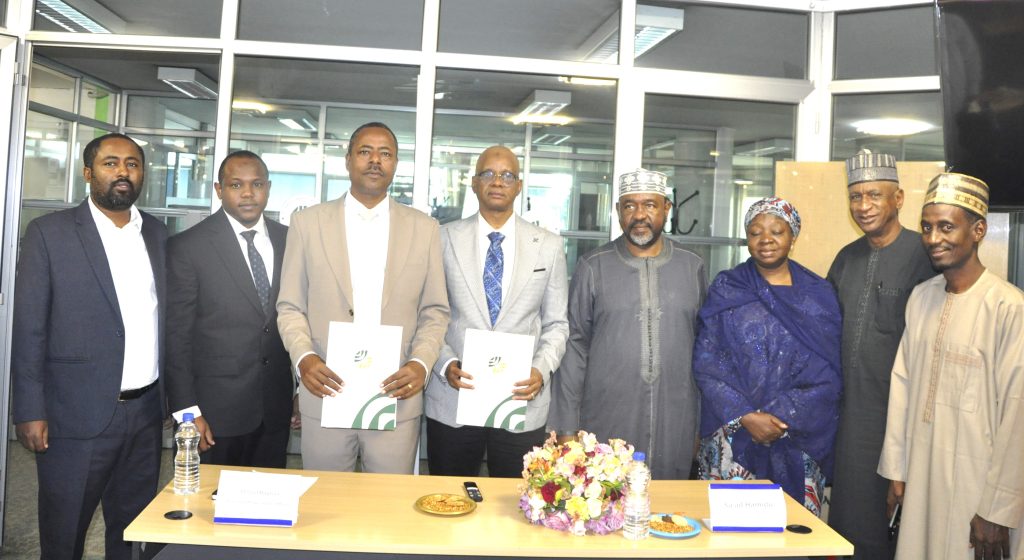
The technical training provided by the ECX Academy served as a catalyst for this agreement, focusing on strategic alignment and the deployment of risk management mechanisms. The program was specifically tailored to address the unique challenges of African markets, such as fragmented supply chains and limited access to credit for smallholder farmers. By adopting Ethiopia’s digital infrastructure models, Nigeria seeks to enhance its own “de-risking” capabilities, potentially lowering interest rates for Nigerian agribusinesses which have traditionally faced high barriers to entry in the formal banking sector.
Data from recent continental trade reports suggest that such institutional collaborations are vital for the success of the African Continental Free Trade Area (AfCFTA). Strengthening the link between Ethiopia’s primary trading platform and Nigeria’s risk-sharing expertise could serve as a blueprint for other nations. Similar initiatives in India, such as the National Agriculture Market (eNAM), have demonstrated that digitizing commodity trading and connecting disparate markets can increase farmer income by nearly 15% through more competitive price discovery.
Looking forward, the MoU is expected to catalyze innovation-driven financing solutions that transcend national borders. As the ECX continues to serve as Ethiopia’s central trading hub and NIRSAL works to stimulate agricultural investment in Nigeria, the synergy between these two giants is poised to create a more interconnected and competitive African commodity market. Both parties expressed commitment to a long-term technical exchange that will ensure the sustainability of these newly established systems.