Ethiopian Prime Minister Abiy Ahmed, Djiboutian President Ismail Omar Guelleh, and Dangote Group founder Aliko Dangote have officially launched a major cross-border oil pipeline project connecting Damerjog, Djibouti, to Dewele, Ethiopia. The joint initiative marks a key milestone in regional infrastructure development, aiming to construct a continuous supply link between the Red Sea port infrastructure and inland distribution networks.
Implemented as a joint venture between Ethiopian Investment Holdings and the Dangote Group, the infrastructure effort includes state-of-the-art petroleum storage terminals on both sides of the border. By expanding bulk storage capacities in Djibouti and Ethiopia, the project will establish a synchronized transit pipeline system designed to maintain stable fuel supplies and accommodate growing energy demands across the Horn of Africa.
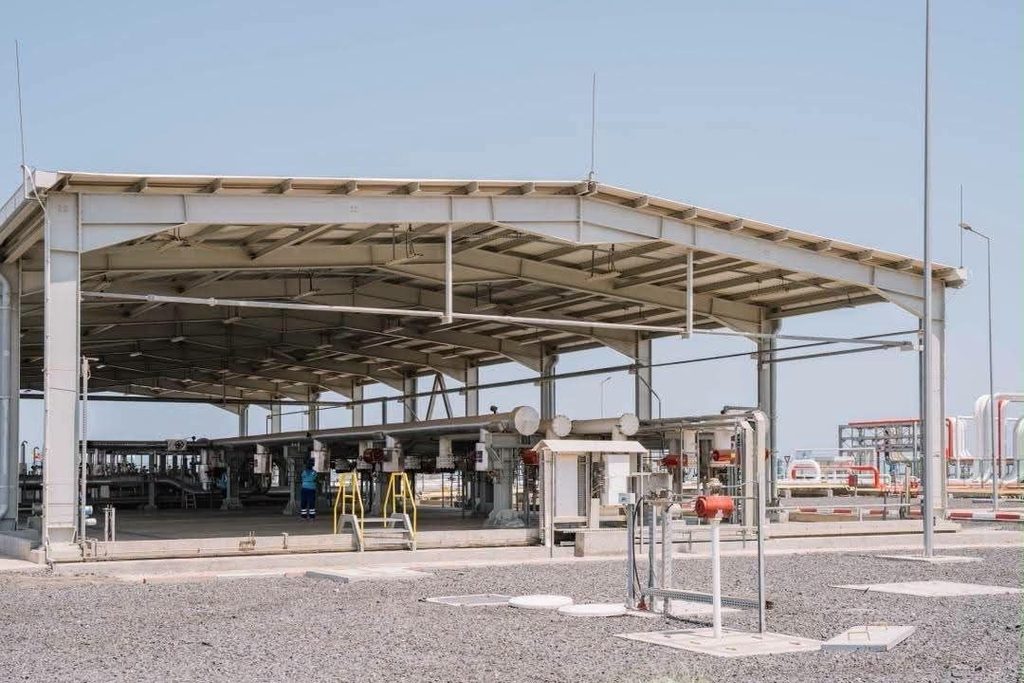
Prime Minister Abiy Ahmed emphasized that the direct pipeline link will substantially lower transportation overheads and eliminate logjams associated with heavy tanker truck traffic along the transit corridor. Transporting refined energy products via dedicated pipelines expectedly enhances Ethiopia’s overall national energy security, standardizes transit timelines, and safeguards crucial supply chains against unpredictable regional and global market fluctuations.
Beyond energy logistics, the multi-million-dollar venture reflects deepening economic integration between Ethiopia and Djibouti, long-standing economic partners sharing heavy import-export traffic. By reducing long-haul road transport dependency, the infrastructure is projected to lower road maintenance expenditures, minimize carbon emissions from heavy vehicles, and provide a faster, safer, and highly efficient transport alternative for vital energy imports.
This infrastructure push is anticipated to serve as a catalyst for expanded trade and broader regional integration throughout East Africa. As construction phases move forward, project leaders plan to introduce automated monitoring systems to manage pipeline pressure, detect leaks promptly, and optimize throughput, establishing a modernized regional energy distribution network for decades to come.