In a momentous victory for Ethiopia’s cultural diplomacy, several priceless artifacts looted by British forces during the 1868 Battle of Maqdala have officially returned to their ancestral home. On May 14, 2026 , the Ethiopian Heritage Authority received the items, which include the personal belongings of the legendary Emperor Tewodros II. The return marks the end of a 158-year period of displacement, reuniting the nation with symbols of its sovereign history and resistance against colonial expansion.
The repatriated collection features deeply personal and state treasures, most notably Emperor Tewodros II’s gold armlet, a lock of his hair (kunfala), and a fragment of his ceremonial woven tunic. These items were seized following the fall of the Maqdala fortress, an event that saw the British Napier expedition carry away hundreds of manuscripts, crowns, and religious crosses. The return of the Emperor’s hair is particularly symbolic, as it represents the physical remains of a leader who chose suicide over surrender to British troops.
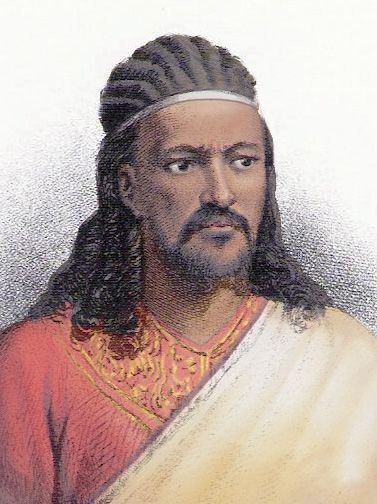
Assistant Professor Abebaw Ayalew, Director General of the Ethiopian Heritage Authority, emphasized that this restoration is the result of years of “persistent and sophisticated diplomatic negotiations.” The government has intensified its efforts to secure bilateral agreements with European institutions and private collectors. While some items were returned voluntarily by descendants of British soldiers, others required high-level intergovernmental dialogue to navigate the complex legal frameworks governing museum acquisitions.
The homecoming of these artifacts carries profound weight for Ethiopia’s national identity and historical pride. Historians note that the 1868 looting was one of the most significant cultural thefts in African history, with an estimated 15 elephants and 200 mules required to transport the spoils to the coast. The restoration of the gold armlet and the Emperor’s tunic fragment is seen as a vital step in “decolonizing” Ethiopia’s history and allowing future generations to study their heritage firsthand rather than through foreign glass cases.
Looking forward, the Ethiopian government has vowed that this is not the conclusion of their mission. Officials stated that efforts will continue to recover other high-value items still held in the United Kingdom and across Europe, including the Tabots (sacred altar slabs) and the iconic crowns of Maqdala. “Our heritage is our soul,” Prof. Abebaw remarked, signaling that Ethiopia will remain at the forefront of the global movement for the restitution of African cultural property.