Tragedy struck the Halaba Zone in Central Ethiopia after two young cousins drowned in the Bilate River. Local authorities confirmed that the children had been sent by their families to harvest tomatoes from a field located near the riverbanks. The victims, residents of the 2nd Choroko district in Kulito town, were expected to return home shortly after completing the chore, but the routine task turned fatal when they encountered the rain-swollen waterway.
According to Deputy Commander Taju Negash, head of the regional police media department, the incident occurred when the 12-year-old girl slipped and fell into the river. In a desperate attempt to rescue her, the 13-year-old cousin jumped into the water. Unfortunately, the strength of the current overwhelmed both children, leading to their deaths. Local emergency teams and community members have been searching for the bodies since yesterday, though the remains have yet to be recovered.
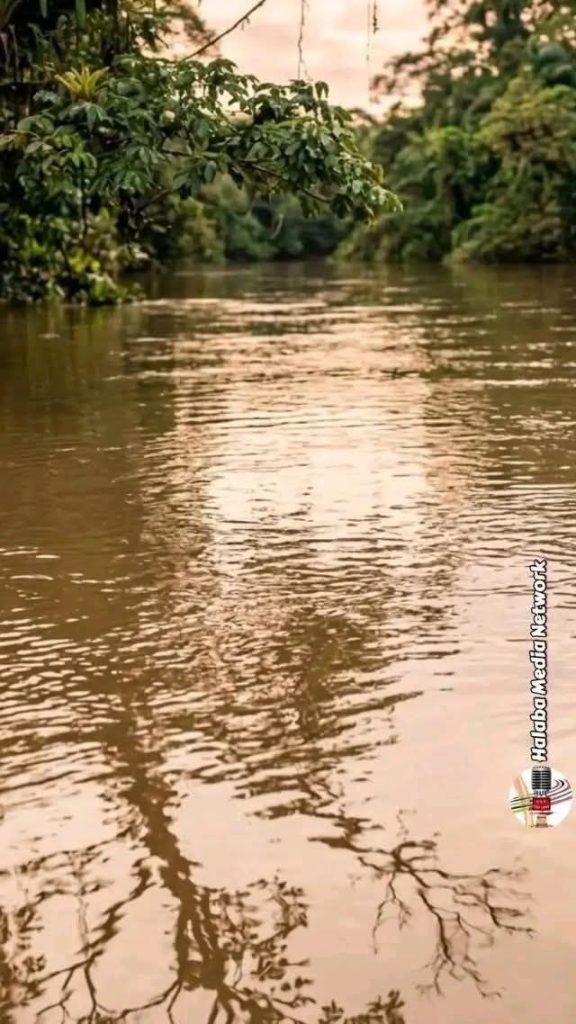
Police officials have issued a stern warning to the public regarding the current weather conditions. With the region experiencing heavy seasonal rainfall, rivers like the Bilate are prone to sudden surges and flash floods. Deputy Commander Negash urged parents and guardians to exercise extreme caution and to prevent children from approaching riverbanks or flood-prone areas until the weather stabilizes and water levels subside.
The incident has sparked significant local criticism regarding child safety and the inherent risks of rural labor during the rainy season in Ethiopia. While it is common for children in the region to assist with agricultural tasks, critics argue that sending minors to work near hazardous geographical features—especially during peak rainfall—reflects a lapse in parental supervision. There are growing calls for local administrative bodies to implement better community awareness programs regarding water safety.
Furthermore, some observers have pointed out the lack of immediate rescue infrastructure in rural zones. The reliance on manual searches after a tragedy highlights a gap in emergency response capabilities. Critics suggest that until more robust safety measures and warning systems are established near major waterways, vulnerable populations will remain at high risk. For now, the community remains in mourning as the search for the two cousins continues under difficult conditions.