Ethiopian Airlines has officially announced the partial resumption of its flight services to select destinations in the Middle East. The decision comes after a period of suspension driven by escalating regional conflicts and heightened safety concerns. While the airline is cautiously returning to certain markets, officials emphasized that the move follows a comprehensive assessment of the current security environment in specific corridors.

According to the airline’s Group CEO, Mr. Mesfin Tasew, the carrier has initiated a limited schedule to ensure operational stability. Currently, the airline is operating one flight per day to the destinations where service has been restored. This phased approach allows the carrier to maintain its presence in the region while prioritizing the safety of its passengers and crew members amidst a fluid geopolitical landscape.
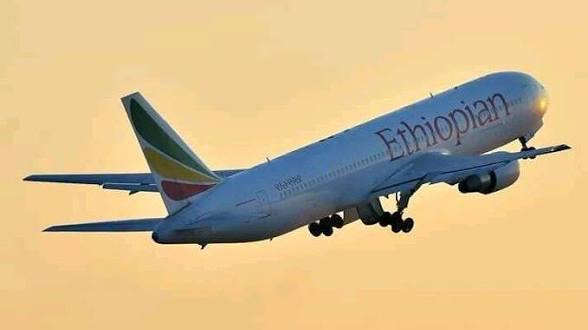
The resumption primarily focuses on major commercial centers within the United Arab Emirates and Saudi Arabia. Specifically, flights have returned to Dubai, Abu Dhabi, and Sharjah in the UAE, alongside the city of Dammam in Saudi Arabia. Additionally, the airline has reinstated a daily flight to Amman, Jordan. These routes represent vital links for both business travelers and the Ethiopian diaspora residing in the Gulf region.
Despite the partial restart, several high-profile destinations remain excluded from the current flight schedule. Services to Tel Aviv, Beirut, Doha, Bahrain, and Kuwait continue to be suspended until further notice. The airline indicated that these locations are still under evaluation, as the security risks in these specific areas do not yet meet the requirements for a safe return to regular operations.
To manage the financial impact of these regional disruptions, Ethiopian Airlines is focusing on strengthening its connectivity across other international markets. The management stated they are monitoring the situation in the Middle East around the clock. By increasing frequencies on more stable global routes, the carrier aims to offset revenue losses while remaining ready to fully restore its Middle Eastern network once conditions stabilize.